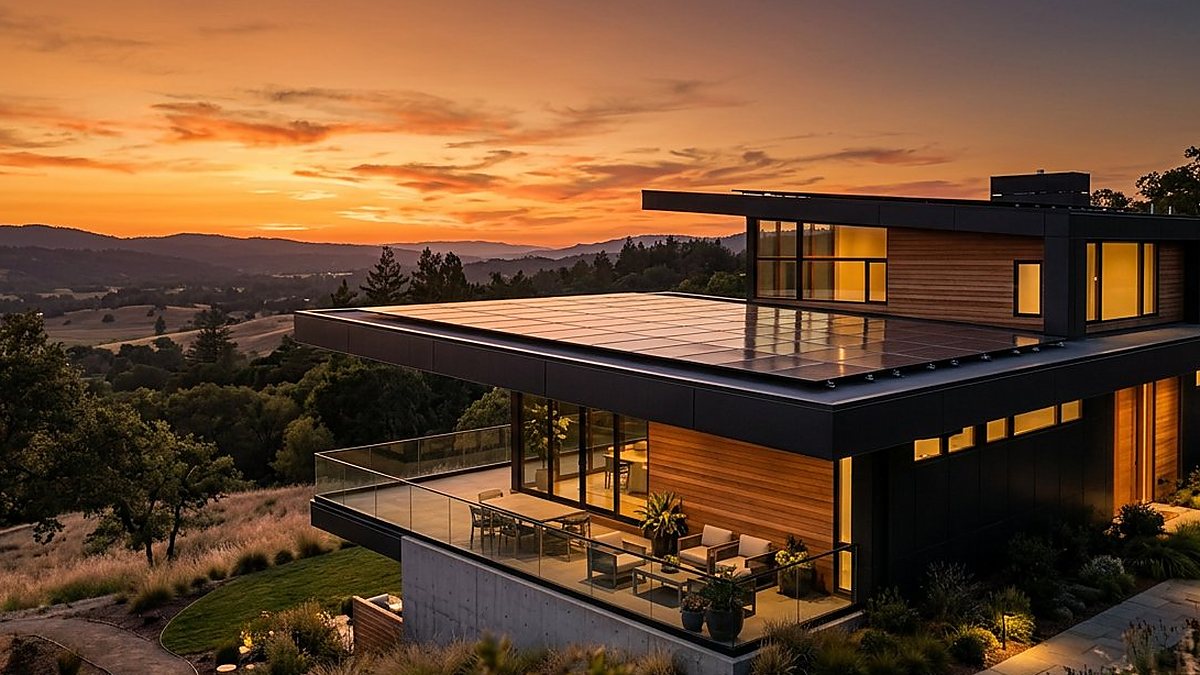
Solar is a roof decision first
Panels are mounted to your roof and expected to stay there for decades. That makes the condition of the roof, the mounting method and the sequence of work more important than the headline efficiency figure on a brochure. If the roof is mid-life, it is worth resolving it before the panels go up rather than after.
The questions that actually determine performance
Which way does the roof face?
In the northern hemisphere, south-facing roofs generally produce the most, with east and west orientations still viable but with different production curves across the day. Orientation is fixed by the house, so it belongs in the first conversation, not the last.
What shades the roof, and when?
A mature tree that shades a roof in the late afternoon can reduce output more than a poorly rated panel ever would. Shading is seasonal and time-of-day dependent, which is why a proper assessment looks at the roof through the year rather than at a single moment.
How much electricity does the house actually use?
System sizing should follow consumption patterns, not property size. A home with heavy daytime use benefits differently from one where everyone is out during the day and usage peaks in the evening. Without that data, sizing becomes a guess.
The best solar installation is a boring one: correctly sized, neatly mounted, properly documented and honest about what it will produce.
Plan the sequence with other work
Solar pairs naturally with a roofing upgrade, and also with window replacement and insulation — but the order matters. Reducing demand first, then producing supply, usually produces a better outcome than adding panels to an inefficient house. If you are replacing windows or the roof anyway, plan solar into that same project window.
Permits, paperwork and handover
A residential installation usually involves permits, an interconnection agreement, inspection and a monitoring setup. This is administrative work, but it is not optional, and it is where inexperienced installers tend to leave homeowners holding the paperwork. Ask who handles each step and confirm it in writing.
What we look for during an assessment
Our assessment covers roof condition and remaining life, orientation and pitch, shading through the seasons, structural mounting points, electrical capacity, and the practical route for cabling. We then explain expected production in plain language, including the months when output will be lower.
A realistic view of payback
Savings depend on consumption, tariff structure and how much of the generation you use on site. Any promise of a fixed payback period should be treated with caution. What can be stated honestly is the expected production range and the assumptions behind it — which is exactly what a written proposal should include.
Solar is worth doing when it is sized for your home, installed on a sound roof and explained without exaggeration. Approached that way, it quietly reduces running costs for a very long time.